A Stronger Start for Every Child: Finding Personalized Support for Emotional and Behavioral Challenges
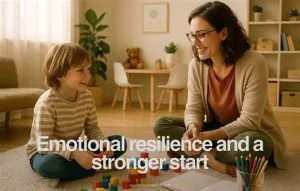 Every child deserves the opportunity to feel safe, understood, and supported as they grow. However, emotional distress, behavioral difficulties, family changes, trauma, and challenges at school can make everyday life difficult for children and their caregivers. When these struggles begin affecting relationships, learning, or overall well-being, personalized mental health support can make a meaningful difference. By understanding each child’s experiences and identifying the right resources, families can build a stronger foundation for emotional health, confidence, and long-term stability.
Why Personalized Support Matters for Children’s Mental Health
Children do not all respond to difficult experiences in the same way. One child may become withdrawn when dealing with anxiety, while another may express distress through anger, defiance, or disruptive behavior. Some children struggle to explain what they feel, especially when they are dealing with trauma, grief, or changes at home.
That is why a single approach does not work for every child. Effective children’s mental health services consider a young person’s age, personality, family relationships, environment, and individual challenges. Treatment should also recognize a child’s strengths rather than focusing only on problems.
Personalized support can help children:
- Recognize and communicate their emotions.
- Develop healthier ways to manage stress and frustration.
- Build confidence and positive relationships.
- Improve behavior at home and school.
- Process difficult or traumatic experiences.
- Strengthen their ability to handle future challenges.
Early support is especially important. When emotional or behavioral concerns are addressed before they become more serious, children have more opportunities to develop healthy coping skills and maintain important relationships.
Recognizing When a Child May Need Professional Support
It is normal for children to experience occasional mood changes, frustration, and behavioral challenges. However, persistent changes or difficulties that interfere with daily activities may indicate a need for professional guidance.
Emotional Warning Signs
Some children show distress through changes in their feelings and relationships. Parents and caregivers may notice:
- Frequent sadness, worry, or irritability.
- Withdrawal from friends, family, or activities.
- Difficulty expressing emotions.
- Strong fears or ongoing anxiety.
- Changes in sleep or appetite.
- Loss of interest in things they previously enjoyed.
Behavioral and Social Challenges
Other concerns may become more visible through a child’s actions. These can include frequent arguments, aggression, difficulty following routines, declining school performance, or trouble maintaining friendships.
Behavior should not automatically be treated as a sign of poor discipline. Sometimes, challenging actions communicate unmet emotional needs, stress, or experiences a child does not yet know how to explain.
A qualified mental health professional can help families understand what may be contributing to these patterns and determine which type of support is appropriate.
What Does Personalized Mental Health Care Look Like?
Personalized mental health treatment begins with understanding the child rather than immediately applying a standard solution. A professional assessment can explore emotional symptoms, behavioral patterns, family circumstances, school experiences, and possible exposure to stressful events.
From there, the clinician and family can identify realistic goals and choose services that address the child’s needs.
Individual Counseling and Therapeutic Support
Child-focused therapy gives young people a safe setting to discuss concerns, practice communication, and develop coping strategies. Depending on the child’s age and needs, a therapist may use conversation, structured activities, creative expression, or other developmentally appropriate methods.
Hillcrest Children and Family Center describes child-focused therapy for children experiencing anxiety, life stressors, behavioral disorders, and family difficulties. Its therapeutic services also include approaches such as Family Systems Therapy, Structural Family Therapy, and Solution-Focused Brief Therapy. These approaches can help families improve communication, address conflict, and work toward practical changes.
Family Involvement and Stronger Relationships
Children’s emotional health is closely connected to their relationships at home. When family members understand a child’s needs and learn healthier ways to respond, progress can become easier to maintain outside therapy sessions.
Family counseling can help caregivers:
- Recognize emotional triggers and behavioral patterns.
- Set clear, age-appropriate expectations.
- Respond to difficult behavior without escalating conflict.
- Improve communication and rebuild trust.
- Establish routines that provide consistency and security.
Hillcrest also describes parenting groups, youth-focused family support groups, and family engagement activities as part of its services. These resources recognize that supporting a child often means strengthening the family relationships around them.
Supporting Children Who Have Experienced Trauma
Traumatic experiences can affect how children feel, behave, learn, and relate to other people. Abuse, domestic violence, traumatic loss, disasters, and repeated exposure to frightening situations may contribute to anxiety, emotional outbursts, withdrawal, or difficulty feeling safe.
Trauma-related behavior can be confusing for caregivers. A child may react strongly to an event that seems minor to an adult because it reminds them of an earlier experience. Understanding this connection can help families respond with greater awareness while maintaining appropriate boundaries.
Hillcrest identifies two evidence-based trauma services for children and adolescents:
Trauma-Focused Cognitive Behavioral Therapy (TF-CBT) helps children, adolescents, and their parents or caregivers address difficulties connected to traumatic experiences. Treatment can help young people develop coping skills and work through distressing thoughts and feelings.
Trauma Systems Therapy (TST) addresses emotional and behavioral challenges associated with trauma, including anxiety, sadness, anger, dissociation, flashbacks, aggression, and other serious behaviors. The approach considers the relationship between a child’s emotional responses and the environment around them.
The right trauma treatment depends on the child’s circumstances and clinical needs. A professional assessment can help determine whether a specialized approach is appropriate.
Addressing Adolescent Mental Health and Substance Use Concerns
Teenagers face pressures that can affect their emotional health and decision-making. Peer relationships, school demands, family conflict, social media, and exposure to drugs or alcohol may increase the risk of unhealthy coping patterns.
Parents should take changes seriously, especially when a teenager begins withdrawing from family, experiencing academic problems, taking unusual risks, or showing signs of substance use.
Support should address the reasons behind the behavior, not simply the behavior itself. Mental health concerns and substance use can sometimes occur together, making coordinated assessment and appropriate referrals important.
Hillcrest describes its Teaching Rambunctious Adolescents Positive Posture (TRAPP) program as an after-school youth intensive outpatient initiative for adolescents ages 13 to 18. Its stated activities include substance-use prevention and education, therapeutic support, wellness monitoring, mentorship, and positive peer engagement.
The organization also describes a Substance Use Intervention Program built around screening, brief intervention, and referral to treatment. These steps can help identify concerns, encourage informed decisions, and connect individuals with appropriate care.
Choosing the Right Level of Care
The most suitable treatment setting depends on the seriousness of a child’s symptoms, safety needs, daily functioning, and available support at home and in the community.
Outpatient counseling may be appropriate when a child can continue attending school and living at home while receiving scheduled therapeutic support. More structured intensive outpatient services may be considered when a young person needs additional treatment while remaining in the community.
Inpatient or residential treatment may be recommended in certain situations when a child requires a higher level of supervision or stabilization. These decisions should be made with qualified professionals after an assessment. Families should confirm which levels of care a provider offers rather than assuming every treatment option is available through one organization.
Hillcrest’s published children’s services include outpatient therapeutic support, school-based behavioral health services, community-based intervention for eligible youth, and other family and community resources. Families can contact the organization directly to discuss eligibility and the services that best match their child’s circumstances.
How Parents Can Encourage Emotional Growth at Home
Professional treatment can be strengthened by supportive habits at home. Caregivers do not need to have every answer. Consistent attention, patience, and clear communication can help children feel more secure.
Consider these practical steps:
- Listen without rushing to correct. Give children time to explain what happened and how they feel before offering advice.
- Acknowledge emotions. Let children know that feelings such as anger, sadness, and fear are normal, while helping them choose safe ways to express those emotions.
- Maintain predictable routines. Regular schedules for meals, sleep, schoolwork, and family time can provide stability.
- Set consistent boundaries. Clear expectations help children understand which behaviors are acceptable and what happens when rules are broken.
- Notice progress. Recognize effort, improved communication, and small steps toward healthier choices.
- Ask for help when needed. Persistent emotional or behavioral concerns deserve attention from qualified professionals.
These everyday actions do not replace therapy when treatment is needed. Instead, they create a supportive environment where children can practice the skills they develop through professional care.
Give Every Child an Opportunity to Grow
Emotional and behavioral challenges do not define a child’s future. With timely assessment, appropriate treatment, and consistent support, young people can learn healthier ways to manage stress, strengthen relationships, and develop confidence in their abilities.
Finding personalized children’s mental health services is an important first step. Hillcrest Children and Family Center offers child and adolescent therapeutic programs, trauma-focused services, school-based behavioral health support, family resources, and substance-use prevention and intervention programs. Its published service information also describes an income-based sliding fee scale and states that services will not be denied because of an inability to pay.
If a child is struggling at home, at school, or in relationships, families do not have to manage every concern alone. Reach out to a qualified provider, ask questions about available programs, and discuss the support that best fits the child’s needs. A stronger start begins when children are heard, families are included, and help is available at the right time.
About The Author
