Mending Invisible Wounds: The Power of Emotional Support for Vulnerable Children
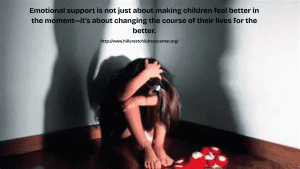 Not all wounds are visible. While a scraped knee or a broken bone may heal with time, emotional wounds—especially in children—often remain hidden, silently shaping their thoughts, behaviors, and future outlook on life. Children who face abuse, neglect, loss, or trauma carry these invisible scars, affecting their ability to trust, communicate, and thrive. However, with the right emotional support, these wounds can be mended, allowing children to heal, grow, and reclaim their lives.
Understanding the Impact of Emotional Trauma
Childhood is a critical period for emotional development. When children experience trauma—whether it’s the loss of a parent, bullying, violence, or neglect—their brains and bodies respond in survival mode. This can lead to chronic stress, anxiety, withdrawal, or outbursts of anger. Some children become quiet and isolated, while others struggle with school performance or social interactions.
These are not signs of weakness or bad behavior; they are signals of pain. Left unaddressed, emotional trauma can follow a child into adulthood, affecting relationships, careers, and overall well-being.
The Role of Emotional Support in Healing
Emotional support is essential in helping children process their experiences and build resilience. This support comes in many forms: compassionate listening, therapy, mentoring, and consistent, loving relationships. It is about creating a safe space where children feel heard, valued, and free to express their feelings without fear of judgment.
Therapists and counselors play a key role in helping children develop coping strategies and process difficult emotions. Through talk therapy, art therapy, play therapy, and mindfulness techniques, children learn how to manage stress, build self-esteem, and trust again.
Building Safe and Trusting Relationships
For many vulnerable children, relationships have been a source of pain. Emotional support services aim to rebuild this trust by providing consistent, caring adults who show up reliably in a child’s life. Whether it’s a mentor, teacher, social worker, or foster parent, having someone who listens, comforts, and encourages makes a lasting impact.
These relationships teach children that they are not alone. They begin to understand that while they cannot change the past, they have the power to create a better future with the help of supportive people around them.
Empowering Children Through Emotional Growth
Healing emotional wounds doesn’t just stop at comfort—it involves empowering children to become resilient, confident individuals. By teaching emotional intelligence, problem-solving skills, and self-awareness, caregivers and counselors help children regain control of their lives.
When children learn to identify their feelings, express them in healthy ways, and overcome emotional barriers, they grow stronger and more capable of facing life’s challenges.
Conclusion: A Brighter Path Forward
Mending invisible wounds requires patience, empathy, and unwavering support. By addressing emotional pain head-on, we give vulnerable children the chance to heal, thrive, and build a future filled with hope. Emotional support is not just about making children feel better in the moment—it’s about changing the course of their lives for the better.
Every child deserves that chance.
About The Author
